
The nonprofit Democracy Forward made a FOIA request to obtain documents about the President Donald Trump’s $230 million demand from the Department of Justice (DOJ), due to investigations and accusations against him.
It is requested that copies be provided of claim forms, such as those filed under the Federal Tort Claims Act, that Trump or his representatives have submitted, as well as internal communications between DOJ employees and outside lawyers linked to the president.
The claim of Trump seeks “compensation payments” for alleged damages resulting from federal investigations against him “including the investigation into Russian interference in his presidential campaign and the raid on the Mar-a-Lago residence,” although so far no documents have been publicly confirmed by the government, Democracy Forward acknowledges.
Skye Perryman, president and CEO of Democracy Forward, recalled that the court cases against President Trump have had several stages, in addition to noting that The Republican has “intimidated federal prosecutors with decades of experience to dismiss multiple cases.”
“All Americans should be concerned about this blatant act of corruption,” Perryman said of Trump’s intention to obtain $230 million from his own government. “Democracy Forward is working to clarify any communications related to the proposal or adoption of this illegal idea. We will get to the bottom of what is happening on behalf of the American people.”
The president has said that if he receives the money he would donate it for public charity actions or for the government itself.
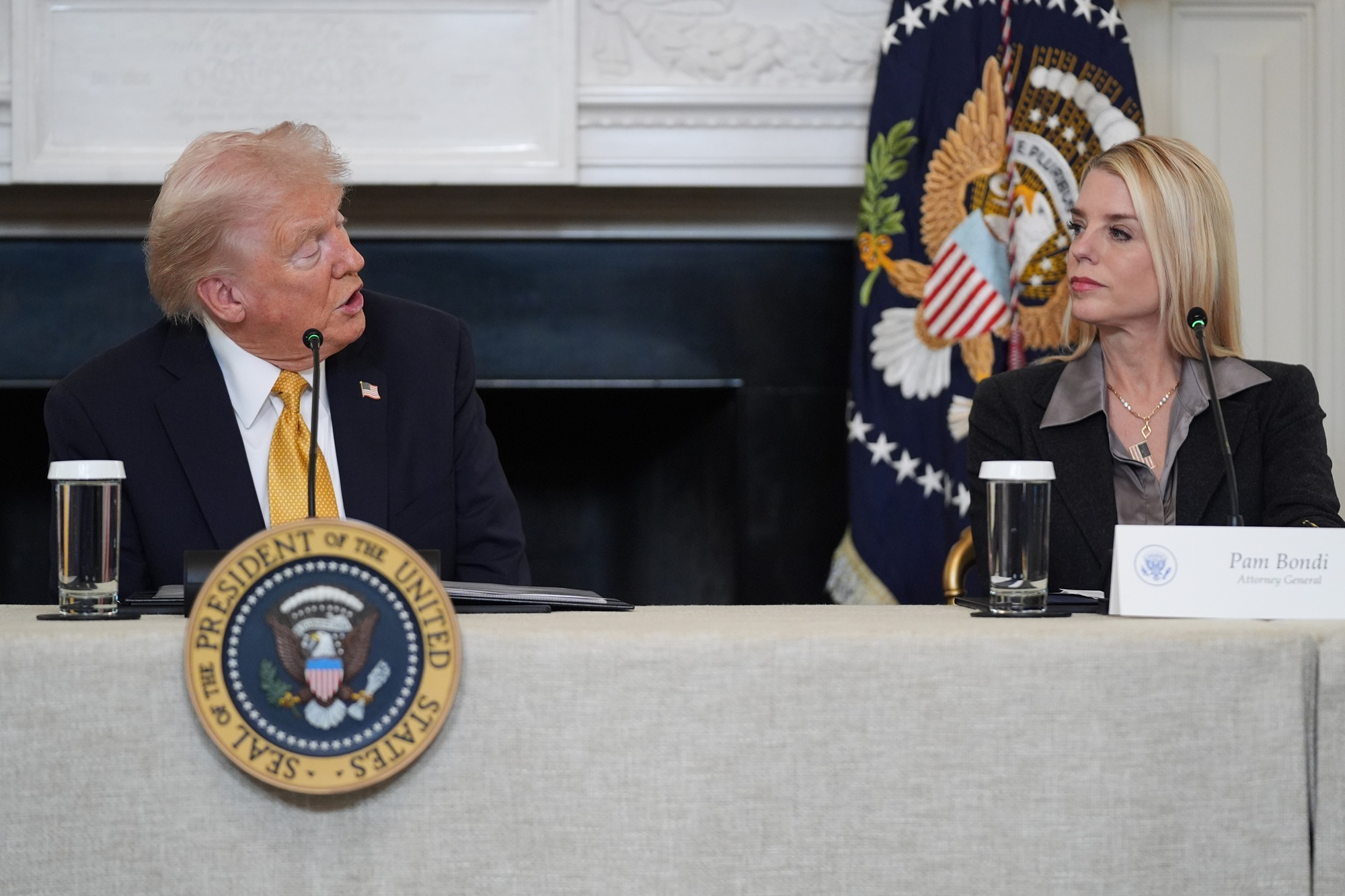
Ethical questions about the compensation that Trump could demand also indicate that the initial authorization would be carried out by officials appointed by the president, including Attorney General Pam Bondi, who was his personal lawyer.
What exactly is requested?
The FOIA request requires the forms and any support used to request compensation from the federal government by the president or his representatives, including emails, app messages (such as Signal or WhatsApp), and other communication records involving senior DOJ officials, outside advisors, or Trump himself, from August 1, 2023 to date for forms, and from January 20, 2025 for communications.
A detailed index of retained documents is also requested, in case the DOJ decides to partially or completely deny delivery.
The organization – which has led several lawsuits against the federal government – argues that the request is clearly in the “public interest,” because it addresses government accountability and the separation of powers, which would justify waiving processing fees.
Impact and political implications
The possibility of Trump receiving the payment has raised alarm in legislative and public ethics circles, because the president could be in a position to approve himself a payment to which he himself aspires.
In addition, Democracy Forward points out that the process raises questions, such as: can a former president who returns to power claim money from the state for investigations to which he was subjected? And can that same president have influence over the decision to approve said payment?
So far, the DOJ has not publicly confirmed the existence of the claim or its amount, but it did note that “in any circumstance, all Department of Justice officials follow the guidance of career ethics officers.”
Meanwhile, the organization has announced that it will wait for the DOJ’s response within the FOIA deadline (normally 20 business days), and that, if it does not receive the documentation, it is prepared to go to court to force the release of the records.
Why does this case matter?
This case raises several questions about American democracy, indicates Democracy Forward, such as the accountability of the powerfulthe transparency of the federal Executive and the limits of presidential power and the system of checks and balances.
Democracy Forward’s FOIA effort is a tool that could benefit citizens and the media, as they would have access to first-hand information about the process.