
Days after 17 minors were rescued from the ultra-Orthodox Jewish sect Lev Tahor in Yarumal, a municipality of 44,000 inhabitants in northern Colombia, the news continues to raise questions.
Journalists, researchers and curious people wonder how 26 members of the group accused of trafficking of minors and child abuse were able to enter the country, settle in a hotel and reside for a month until they were detected by the authorities.
They also question whether the individuals were passing through or planning to settle in Colombia, as they had done in the past in other Latin American countries.
Since its founding in 1988 in Jerusalem, Lev Tahor has been dogged by controversy.
They have faced problems with the law in practically all of the countries where their members have settled, most of the time for crimes of child exploitation.
His search for destinations where he can evade the authorities is, in part, what has marked his itinerant nature.

Lev Tahor, more than a decade in Latin America
Colombia is the fourth country in Latin America in which Lev Tahor has been detected after Guatemala, Mexico and El Salvador.
Due to its nomadism and isolation, it is difficult to quantify its exact number of members.
According to the AFP agency, authorities estimate that the community is made up of around 50 families from the United States, Canada, Guatemala and other countries.
They settled in Guatemala in 2013, shortly after they were accused of child neglect by the social services of Canada, a country in which they had settled in a small town in the province of Quebec.
They had previously had problems with the law in the United States, where they settled after its founding.
In the Central American country, the first reports of its presence occurred in the town of San Juan La Laguna, inhabited mainly by indigenous Mayans.
After months of disagreements, the council of elders expelled the group, claiming that its members rejected the locals, refusing to speak or mix with them.
The sect then relocated to Guatemala City, where its headquarters was raided by the Public Ministry, which was investigating cases of child abuse.
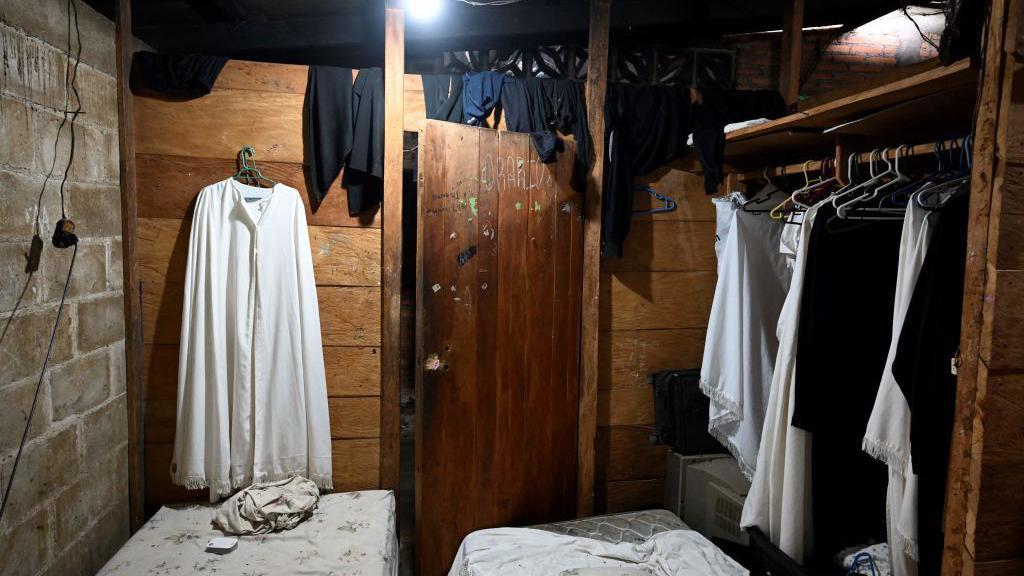
In 2016 they moved to El Amatillo, Santa Rosa, a town 80 kilometers from Guatemala City.
According to a BBC Mundo report from 2019, about 350 members lived there at the time.
Judicial coups
The first news of Lev Tahor in Mexico came in 2017, when the Israeli press reported the death of the sect’s founder, Shlomo Helbrans, supposedly occurring while he was performing a religious ritual in a river in Chiapas.
Five years later, in 2022, a Mexican police operation rescued a group of minors in a group camp in the jungle, about 17 kilometers from the city of Tapachula, near Guatemala.
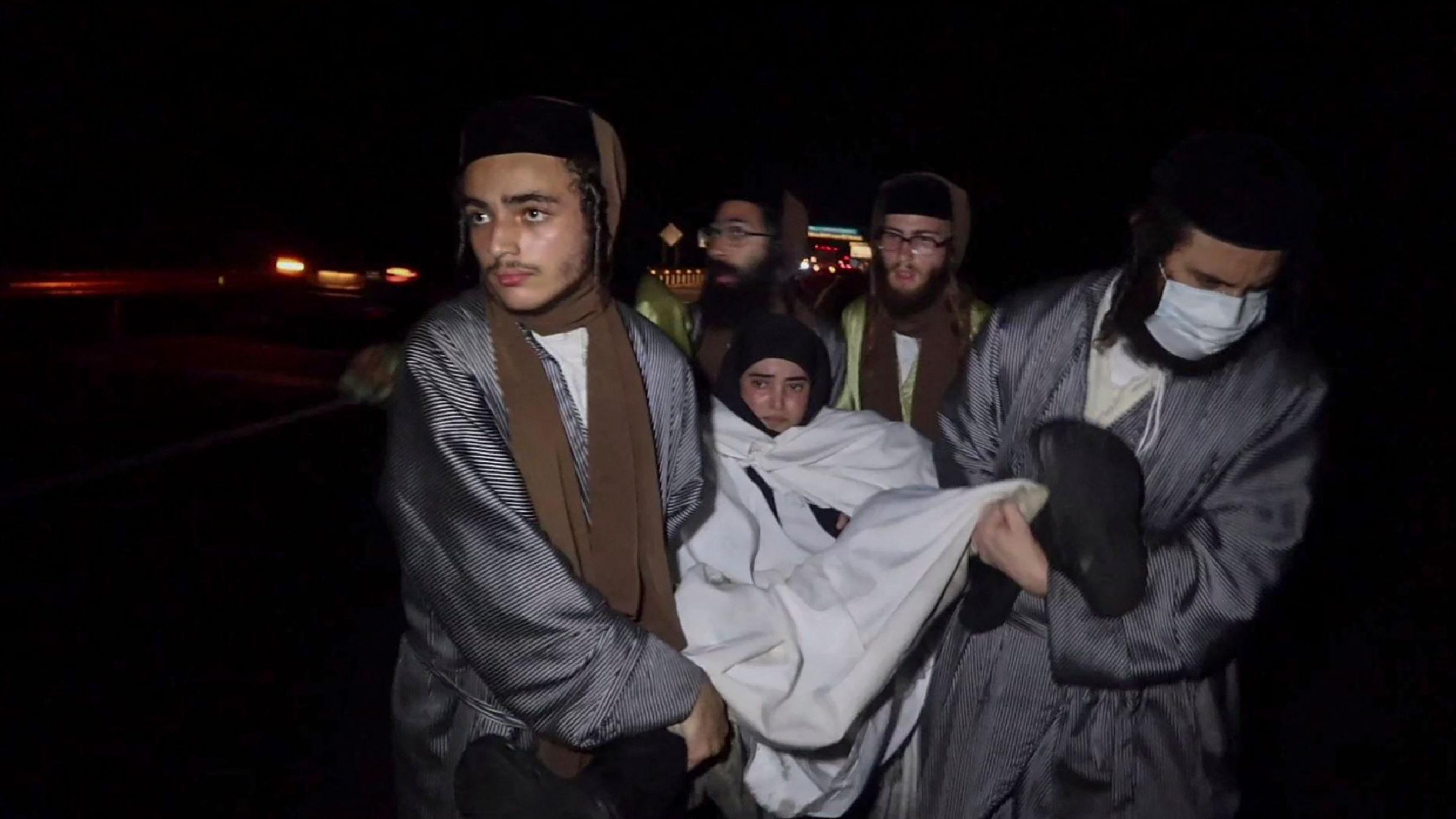
Two leaders of the sect were arrested and around twenty members rioted, protesting against what they denounced as religious persecution against them, a common argument of the sect’s spokespersons.
Several escaped during the riot.
Perhaps the most media blow suffered by Lev Tahor came in December 2024, when the Guatemalan authorities rescued 160 minors in the municipality of Oratorio, Santa Rosa.
To date, officials in the Central American country continue to verify the identities of the minors.
They have even received complaints that, if a member of the sect died, they were buried without notifying the corresponding authorities.
In June 2025, El Salvador extradited two men from Lev Tahor to Israel and Guatemala, after being detained in January when they entered Salvadoran territory.
As a result of recent judicial coups, especially that of Guatemala, Gloria Arriero, the director of Migration Colombia, revised downwards the current number of members of the sect.
“A little more than 90,” he told Caracol Radio, although without clarifying whether the figure corresponds to a regional or global statistic.
In addition to these Latin American countries, Lev Tahor has tried to settle in recent years in Eastern European and Balkan nations, such as Romania, Turkey and Macedonia, from where they were deported.
What Lev Tahor was looking for in Colombia
According to Gloria Arriero told Caracol Radio, the group planned to rent a farm in Colombia where they could settle and there “do what they have done in other regions of the world: a process to maintain their sect and procreate among young people.”
Arriero denounced that the young people marry each other, “cousins, from the age of 12 and 13” and that was what they intended to do near Yarumal.
Among the rescued minors were five Americans with yellow Interpol search notices.
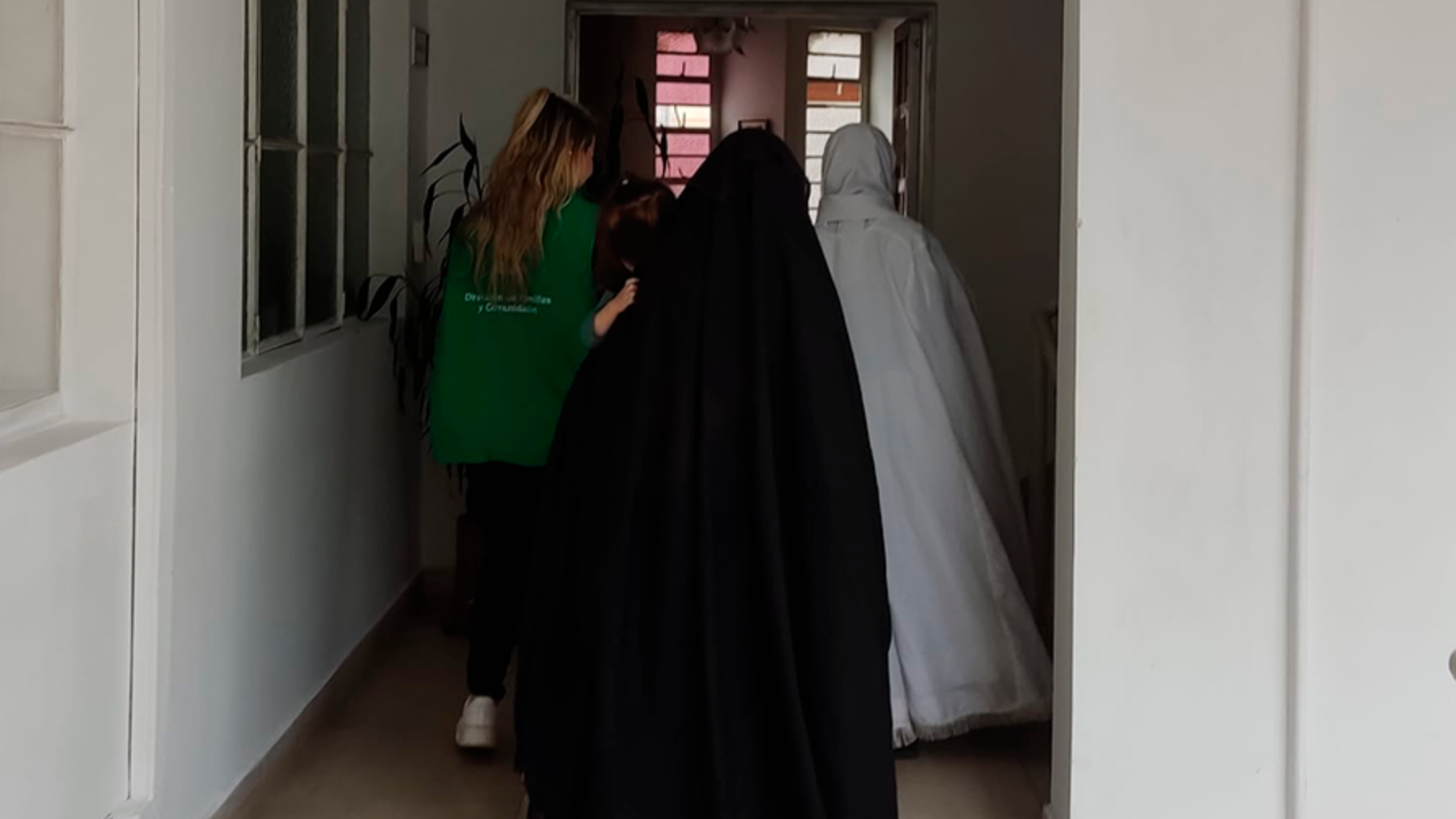
In total, seven families belonging to the sect entered the country on October 22 and 23.
Migration Colombia had information about alerts from counterpart agencies against members of the sect for alleged crimes against minors, including convictions of some leaders for kidnapping and child sexual exploitation.
They also knew “indications that they could establish a new colony in Colombia to continue the crimes attributed to this religious community.”
Arriero told Caracol Radio that, so far, the presence of Lev Tahor in other Colombian regions is not known, although they are investigating.
It has also not been announced what will happen to the detected members, all foreigners.
Colombia, feasible for isolation
Lev Tahor practices many of the customs of Hasidism, an Orthodox and mystical current of Judaism, but they are much stricter.
This, together with their striking clothing in a predominantly Catholic region, has made their settlement difficult.
Marcos Peckel, professor of Diplomacy and International Relations and director of the Colombian Jewish community, clarifies that the sect does not have any type of link with its community and that it is “contrary to Jewish law and traditions.”
Peckel welcomed the operation by the Colombian authorities and rules out that there are Colombian members of the group, although he is not surprised that Lev Tahor has tried to establish himself in Colombia.
“Due to their geography, size and difficulty of territorial control, they will surely try to settle, but we trust in the work of the authorities,” Peckel told BBC Mundo.
For decades, vast areas of Colombia, isolated and remote, have had a limited government presence that has been exploited by armed and criminal groups to establish illegal governance and control illicit revenues.
In recent years, these same characteristics have attracted foreign religious groups.
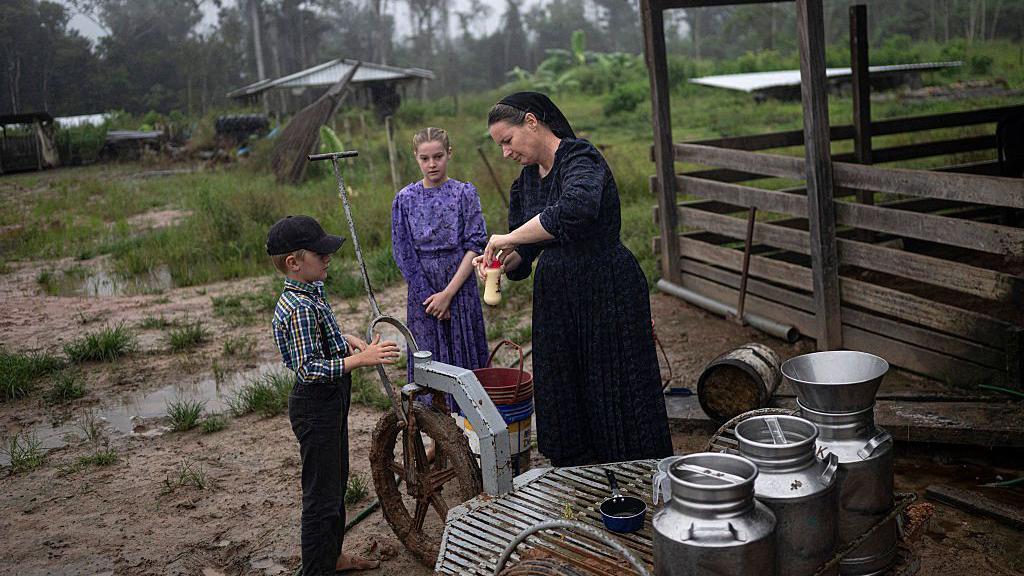
Since 2016, Mennonite communities have expanded their presence in the country, purchasing tens of thousands of hectares, which has put them at odds with local communities and prompted investigations by the National Land Agency into the legality of their acquisitions.
Various reports in the press speak of hundreds of families of this Christian religious group of European origin in Colombia, who have found in this and other Latin American countries a kind of promised land.

click here to read more stories from BBC News Mundo.
Subscribe here to our new newsletter to receive a selection of our best content of the week every Friday.
You can also follow us on YouTube, instagram, TikTok, x, Facebook and in our whatsapp channel.
And remember that you can receive notifications in our app. Download the latest version and activate them.