
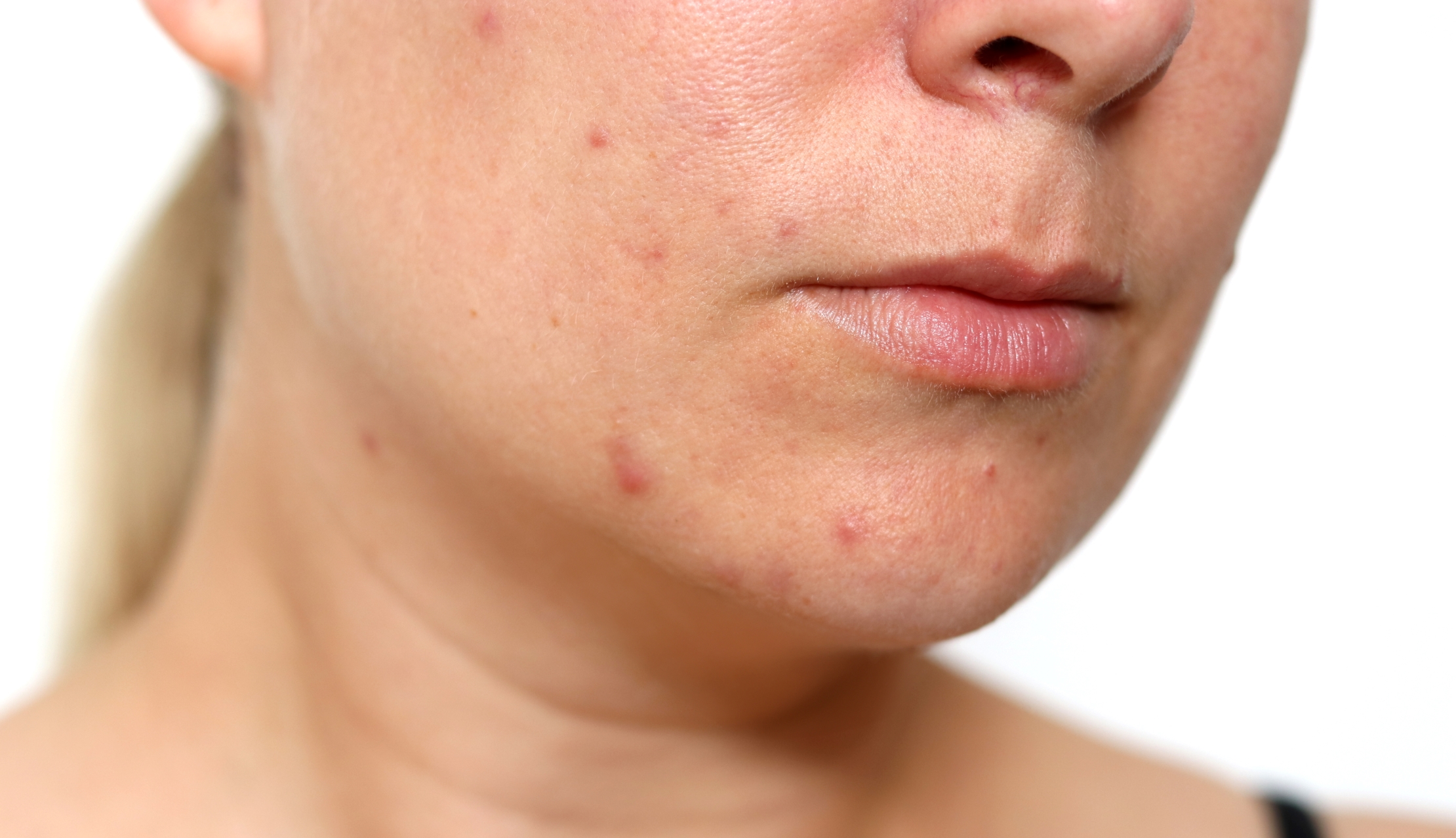
The increased incidence of acne in adults may be related to systemic changes in health, hormones, and environmental factors. This phenomenon affects a considerable percentage of the population, especially young women, says Dr. Mamina Turégano, a dermatologist with three certifications and content creator on TikTok.
Statistics indicate that up to 15% of adult women suffer from acne, with a notable increase in older age groups. Clinics and online forums reflect a growth in the presentation of this type of conditions in individuals over 30 years of age.
“I wanted to raise awareness about the possibility that something systemic is contributing to this increase,” Turégano told Newsweek about a video that went viral.
“We are also seeing increases in infertility, hair loss, polycystic ovary syndrome (PCOS), thyroid disorders and other endocrine problems, which makes me wonder if environmental factors could be playing a role,” she adds.
He expresses that acne in the last 20 years has been on a crescendo, but that this is different from that of adolescents. Dermatologists report an increase in the number of patients experiencing new outbreaks in their 30s, 40s and older.
Acne is the most common skin condition in the US, affecting up to 50 million Americans a year, according to the American Academy of Dermatology.
Causes of acne in adults
Dermatologists report that the causes of adult acne are often hormonal and influenced by stress, obesity, and chemical exposure.
On the other hand, Dr. Shamsa Kanwal declared to Newsweek that additional factors such as makeup or care products that can worsen the situation.
Skin care products and makeup can exacerbate adult acne primarily by clogging pores (comedogenic effect), causing inflammation, or causing a “rebound effect” from excess products or irritating ingredients.
Alternative treatments and approaches
Although it is recognized that the onset of acne in adults is not new, its increasing prevalence and duration are changing treatment standards.
Dr. Turégano suggests that unlike teenage acne, treating adult acne may require a personalized combination of treatments. Additionally, it emphasizes the importance of considering the internal and environmental factors that contribute to the appearance of acne.
“If acne is painful, leaves scars, or does not improve with over-the-counter products, it is a good time to consult with a dermatologist so we can create a plan adapted to your skin and lifestyle,” advises the specialist.
Acne treatments among adult men and women
There are significant differences in acne treatments between adult men and women, mainly due to hormonal influences that affect each gender differently.
Both adult men and women benefit from topical treatments such as retinoidsbenzoyl peroxide, and oral antibiotics for mild to moderate cases, as well as isotretinoin for severe acne. These approaches address factors such as sebum production and bacterial inflammation in both sexes.
In women, hormonal treatments such as oral contraceptives, spironolactone and antiandrogens are key options, especially for acne that is persistent, inflammatory or related to menstrual fluctuations and disorders such as polycystic ovary syndrome. Men, on the other hand, rarely require these therapies and focus more on lifestyle, diet and grooming to complement standard treatments, since their acne is usually more severe and related to testosterone.
Acne in adult women is more prevalent and chronic, requiring a holistic approach that includes cosmetics and stress management or a Western diet. In men, the emphasis is on care routines for oily skin and scar prevention.
You may also be interested in: